


One of the most common questions property owners ask is, “How much is my property worth?” While the answer may seem simple, property valuation is more complex than many people realize.
Your property’s value is not just what you paid for it or what you hope to sell it for. It is determined by a combination of market conditions, property features, location, demand, and comparable sales. Understanding how valuation works helps you make smarter decisions whether you are selling, renting, refinancing, or investing.
What Is Property Valuation?
Property valuation is the process of estimating the current market value of a property. It represents the price a buyer is realistically willing to pay under normal market conditions.
This value is influenced by both internal factors, such as the size and condition of the property, and external factors, such as market demand and economic trends. A proper valuation reflects the true position of your property in the current market. Accurate valuation is essential for setting the right price and avoiding costly mistakes.


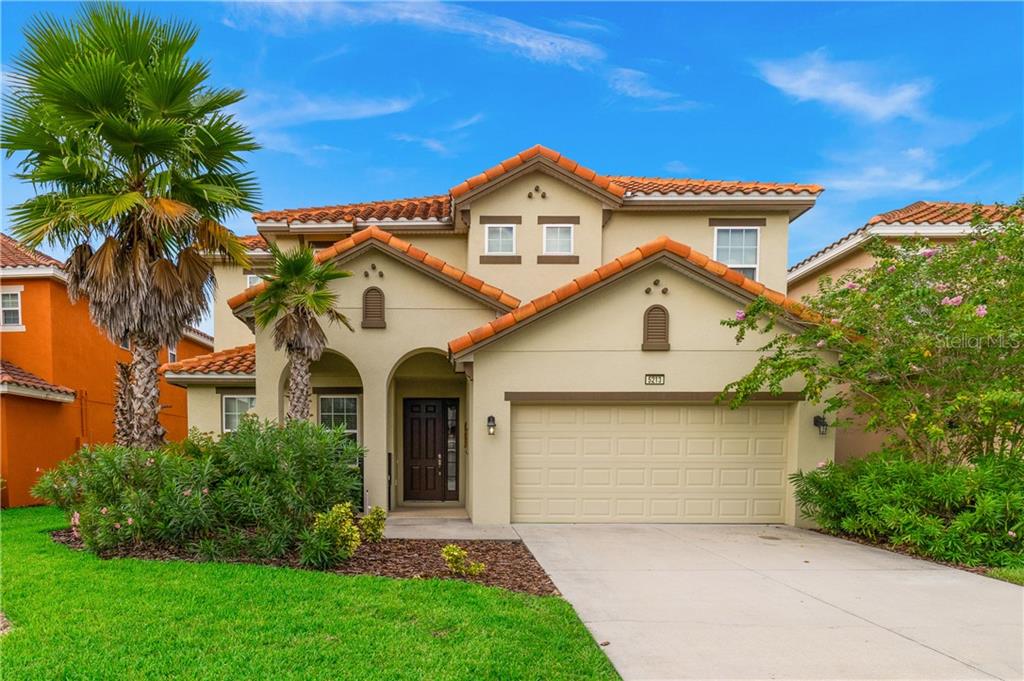
Key Factors That Affect Property Value
Several factors work together to determine how much a property is worth. Location is one of the strongest drivers, as properties in high-demand areas tend to attract higher prices and faster interest.
Property size, layout, number of bedrooms, condition, and upgrades also play a major role. Well-maintained properties with modern features typically perform better in the market.
Market conditions are equally important. In a strong seller’s market, demand may push prices higher, while in slower markets, pricing must be more competitive to attract buyers or tenants.
The Role of Comparable Properties
One of the most reliable ways to estimate value is by comparing your property to similar properties that have recently sold in the same area. These are known as comparable sales.
Comparable properties share similar features such as size, age, location, and condition. They provide real-world evidence of what buyers are currently willing to pay.
This method is widely used by agents, appraisers, and investors because it reflects actual market behavior rather than assumptions.
Why Online Estimates Are Not Always Accurate
Many property owners rely on online valuation tools, but these platforms often provide rough estimates based on limited data. They do not account for property condition, recent upgrades, unique features, or local market nuances.
While online tools can give a general idea, they should not be treated as final or exact figures. Overpricing based on inaccurate estimates can lead to long listing times, while underpricing can result in lost value.
Professional valuation always produces more reliable results.
When You Should Get a Professional Valuation
Professional valuation is especially important when you are planning to sell, refinance, invest, or make major financial decisions involving your property.
A proper valuation helps you price correctly, attract the right buyers or tenants, and negotiate with confidence. It also protects you from emotional or speculative pricing.
At Power Pillars Property, we provide data-driven property evaluations based on market trends, comparable sales, and local insights. Our goal is to give property owners clear, honest, and realistic valuations that support smart decision-making.
The Power of Knowing Your True Property Value
Knowing the true value of your property puts you in control. It allows you to plan effectively, set realistic expectations, and move forward with clarity.
Whether you are selling, renting, or building a portfolio, accurate valuation is the foundation of every successful real estate decision. Your property is an asset. Understanding its real value is the first step toward maximizing its potential.


Join The Discussion